In today’s image-conscious world, many people strive for a fit, toned body. While diet and exercise are vital for staying healthy, stubborn fat in certain areas can be difficult to remove. This is where liposuction becomes a popular solution.
In this guide, we’ll walk you through everything you need to know about liposuction – from what it is and how it works to the risks, recovery, and benefits.
What is Liposuction?
Liposuction, also known as lipoplasty or body contouring, is a cosmetic surgical procedure that removes excess fat deposits from specific areas of the body. It’s not a weight-loss method, but rather a way to reshape and improve the body’s contours.
Common Areas Treated:
- Abdomen
- Thighs
- Hips
- Arms
- Chin and neck
- Back
Who is a Good Candidate for Liposuction?
Liposuction is ideal for individuals who:
- Are close to their ideal weight
- Have good skin elasticity
- Are in good overall health
- Have specific areas of fat that don’t respond to diet or exercise
It is not recommended for people with severe health problems, loose skin, or obesity.
Different Types of Liposuction
There are several modern techniques available. Your surgeon will help decide which one suits you best.
1. Tumescent Liposuction
This is the most common method. A saline solution with anesthesia is injected into the fat before it’s suctioned out. This reduces pain and bleeding.
2. Ultrasound-Assisted Liposuction (UAL)
This method uses sound wave energy to liquefy fat before removal. It’s especially useful for dense or fibrous fat areas.
3. Laser-Assisted Liposuction (LAL)
Laser energy is used to melt fat, making it easier to remove. It also helps tighten the skin.
4. Power-Assisted Liposuction (PAL)
A vibrating tool is used to break up fat. It allows for more precise and less physically demanding surgery.
How Liposuction Works: The Procedure
Step-by-Step:
- Anesthesia: Local or general anesthesia is used.
- Incisions: Small incisions are made in the treatment area.
- Fat Removal: A cannula (thin tube) is inserted to break up and suck out the fat.
- Closing: Incisions are closed and dressed.
The procedure typically takes 1 to 4 hours, depending on the size of the area being treated.
Recovery After Liposuction
Recovery can vary based on the area treated and the amount of fat removed.
What to Expect:
- Swelling and bruising for a few weeks
- Compression garments worn to reduce swelling
- Mild discomfort managed with prescribed medication
- Return to work in 3–7 days (depending on the procedure)
- Avoid strenuous activities for a few weeks
Full results are visible within 1–3 months.
Benefits of Liposuction
Liposuction offers both aesthetic and psychological benefits:
- Improved Body Shape: Target stubborn fat that won’t go away
- Enhanced Confidence: Feel better about your appearance
- Permanent Results: Fat cells are removed permanently (if you maintain your weight)
- Motivation Boost: Kickstart a healthier lifestyle
Risks and Side Effects
Like any surgical procedure, liposuction has risks:
- Infection
- Scarring
- Numbness or nerve irritation
- Uneven contours or asymmetry
- Blood clots (rare)
Choosing a certified and experienced plastic surgeon significantly reduces the risks.
Cost of Liposuction
The cost depends on several factors:
- Area of the body
- Technique used
- Location of the clinic
- Surgeon’s experience
In the U.S., the average cost ranges from $2,000 to $7,000 per area. It is usually not covered by insurance as it’s a cosmetic procedure.
Liposuction vs. Weight Loss
It’s important to understand that liposuction is not a replacement for weight loss. It is best suited for individuals with localized fat pockets who already live a healthy lifestyle.
Liposuction:
- Removes fat cells permanently
- Offers instant body contouring
- Does not improve health markers like cholesterol or blood sugar
Weight Loss:
- Reduces overall body fat
- Improves overall health
- Takes time and consistent effort
Non-Surgical Alternatives to Liposuction
If surgery isn’t your preference, there are other fat reduction options:
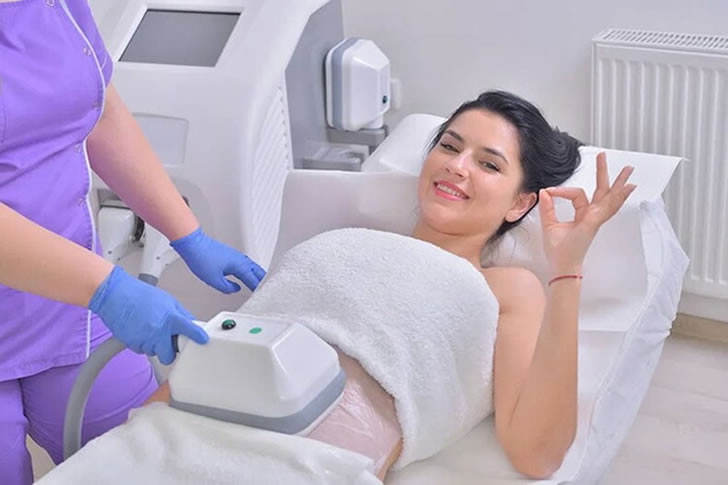
- CoolSculpting: Freezes and destroys fat cells
- Ultrasound fat reduction: Uses sound waves to break down fat
- Radiofrequency treatments: Uses heat energy to target fat and tighten skin
These are non-invasive but may require multiple sessions and produce less dramatic results.
Maintaining Results After Liposuction
Liposuction results are long-lasting, but you must maintain a stable weight to keep them.
Tips:
- Eat a balanced diet
- Stay active with regular exercise
- Drink plenty of water
- Avoid smoking and alcohol abuse
Questions to Ask Before Getting Liposuction
- Is liposuction right for my body type?
- What are the risks and complications?
- What results can I realistically expect?
- How much will the procedure cost?
- What is the recovery time?
Always consult with a board-certified plastic surgeon and check before-and-after photos of previous patients.
Final Thoughts
Liposuction is an effective way to enhance your body shape and boost your confidence. When done safely by a qualified professional, it can deliver amazing results. However, it’s not a magic fix. A healthy lifestyle is still essential to maintain those beautiful results.
Whether you’re considering this procedure for aesthetic reasons or body contouring, educate yourself thoroughly and make an informed decision. Your body deserves the best care.
⚠️ Disclaimer: This article is for informational purposes only. Always consult with a licensed medical professional before making any decisions about cosmetic surgery.